
If your child is showing early signs of orthodontic issues, you may wonder: Should we start treatment now or wait until all their adult teeth have come in?
Understanding the difference between interceptive orthodontics (also known as Phase 1 treatment) and traditional braces (Phase 2 or comprehensive treatment) is crucial for making an informed decision.
What Is Interceptive Orthodontics (Phase 1)?
Interceptive orthodontics typically begins between the ages of 6 and 10, while a child still has a mix of baby and permanent teeth. The goal is to correct developing problems, such as crossbites, crowding, or jaw growth issues, before they worsen.
Phase 1 treatments may include palatal expanders, partial braces for kids, or the kid-friendly version of the revolutionary Invisalign® orthodontic system, Invisalign First®. These appliances gently guide jaw and tooth development, minimizing, if not altogether eliminating, the need for Phase 2 treatments.
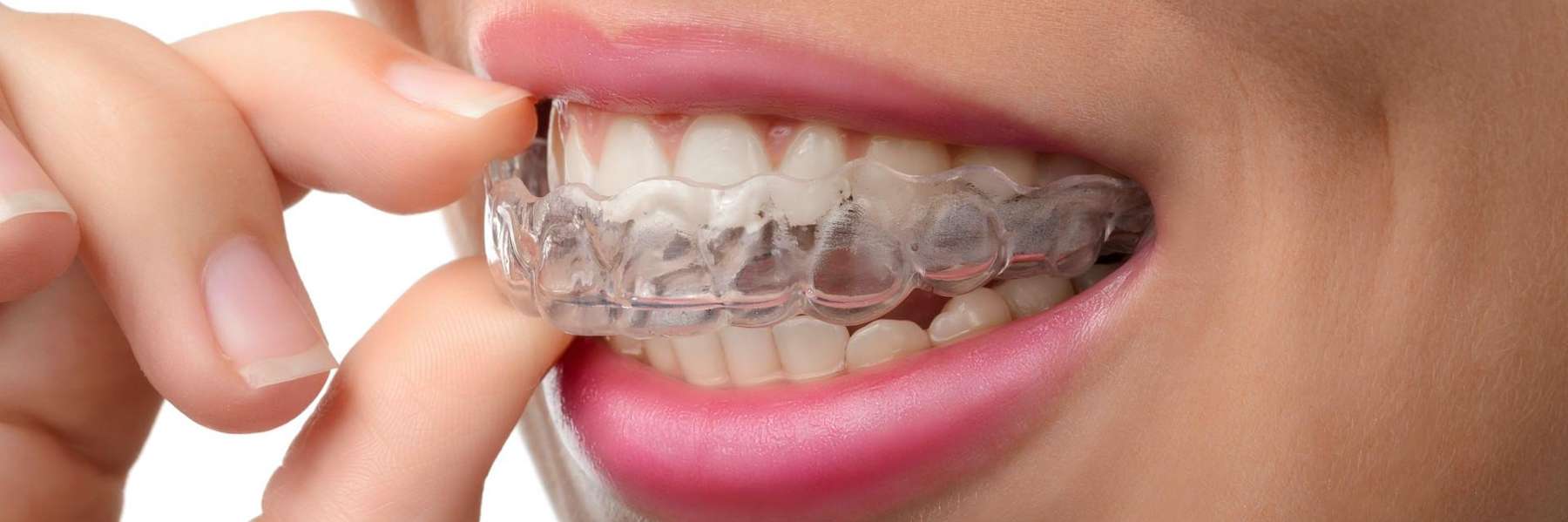
Invisalign First® is a specialized form of Invisalign for kids designed for younger children with a mix of baby and adult teeth. This type of Invisalign for kids uses clear, removable aligners to address issues like crowding, spacing, and arch development proactively. Using Invisalign for kids during this phase can offer a more comfortable and aesthetic experience while guiding jaw growth and making space for permanent teeth.
What Are Traditional Braces (Comprehensive Treatment)?
Traditional braces are usually placed during adolescence after all adult teeth have erupted. This phase focuses on aligning teeth, improving bite function, and enhancing aesthetics. It often includes metal braces, ceramic options, or clear aligners, such as Invisalign, for children, depending on their individual needs and preferences.
Key Differences Between Phase 1 and Traditional Braces
Timing — Phase 1 typically begins earlier, often before age 10, while traditional braces are recommended later.
Goals — Interceptive treatment corrects growth and spacing early, while traditional braces focus on existing alignment and bite issues.
Appliances — Phase 1 typically involves expanders or Invisalign First, while traditional treatment includes full braces or comprehensive Invisalign.
Duration — Even when Phase 2 treatments are required, interceptive treatment times tend to be shorter.
Can Invisalign for Kids Replace Traditional Braces?
In many cases, yes. Invisalign First can address early orthodontic concerns. Later, Invisalign for kids can complete the comprehensive alignment. However, some complex cases may still require braces.
Safeguarding Young Smiles with Interceptive Orthodontics in Houston, TX
If you’re in Spring Branch near Houston and want a top-quality dental team to ensure your kids’ dental development during their vital formative years, contact Dr. Juan Echeverri and the caring and knowledgeable Echeverri Dental Center team to schedule a consultation!